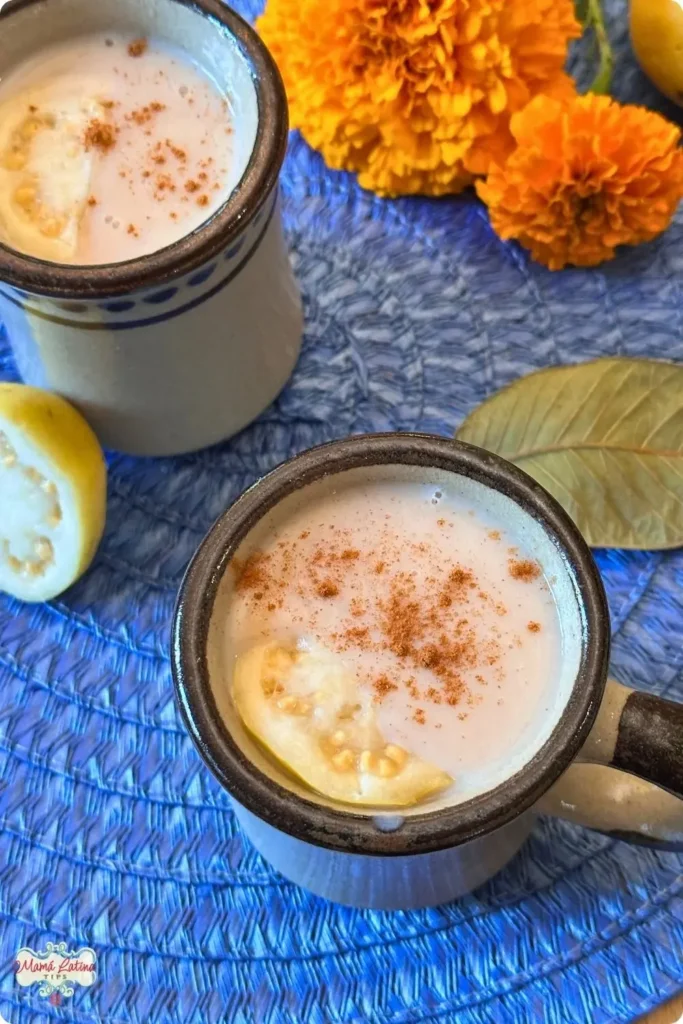
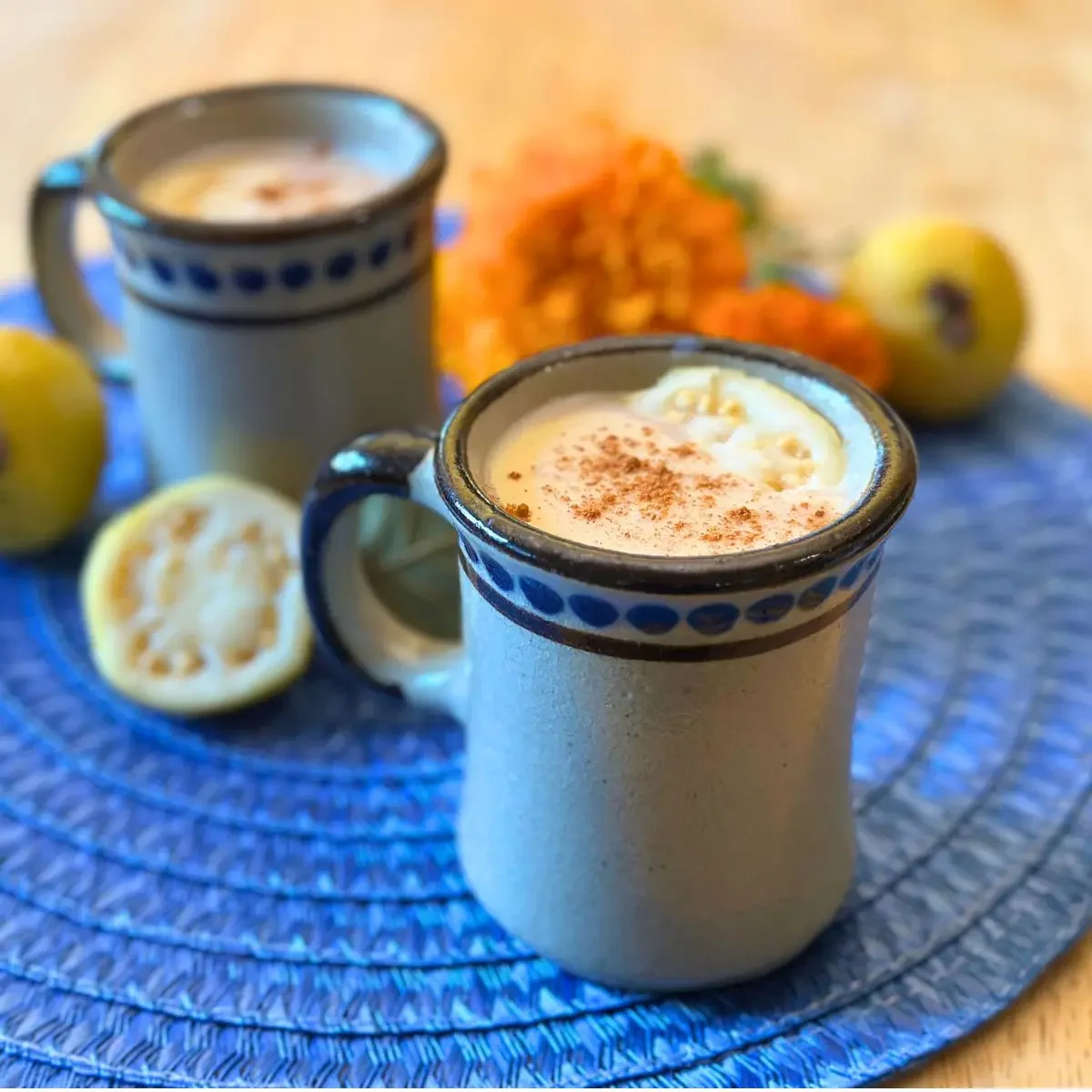
Guava atole or atole de guayaba is one of those Mexican drinks that hugs your soul from the very first sip. Creamy, aromatic, and with that sweet guava flavor that blends perfectly with cinnamon and milk.
Today, I’m teaching you how to make it and sharing the secret to keep it silky smooth without curdling.
Why Guava Atole Curdles (And How to Prevent It)

You know what’s the most frustrating thing when making guava atole? After all that work, when you add the milk, bam! It curdles, and you get those ugly lumps that ruin the whole texture.
The thing is, guava, like many fruits, is acidic. When you mix it with milk, the milk proteins get “scared” and separate.
The secret my mom passed down to me is adding a little baking soda to neutralize that acidity, and voilà! Your atole comes out velvety smooth.
Let’s make it together.

This post may contain affiliate links to Amazon and/or other stores, which we add to save you time looking for things you may need. If you use these links and make a purchase, we may earn a commission at no extra cost to you. For more information, please read our privacy policy.
Ingredients and Substitutions
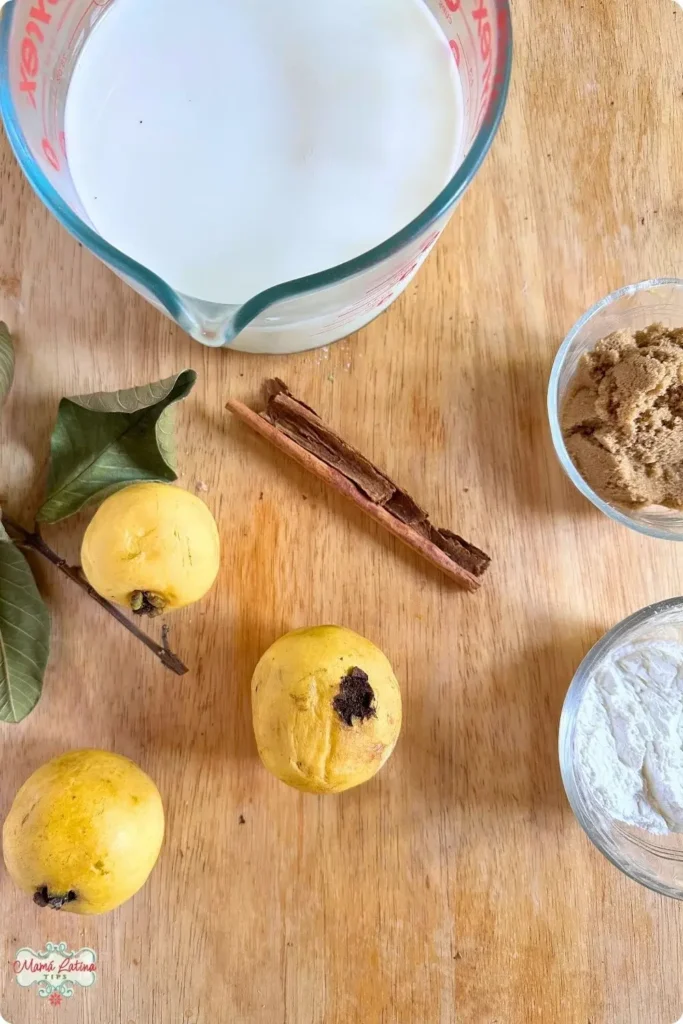
For this recipe, you need super simple ingredients:
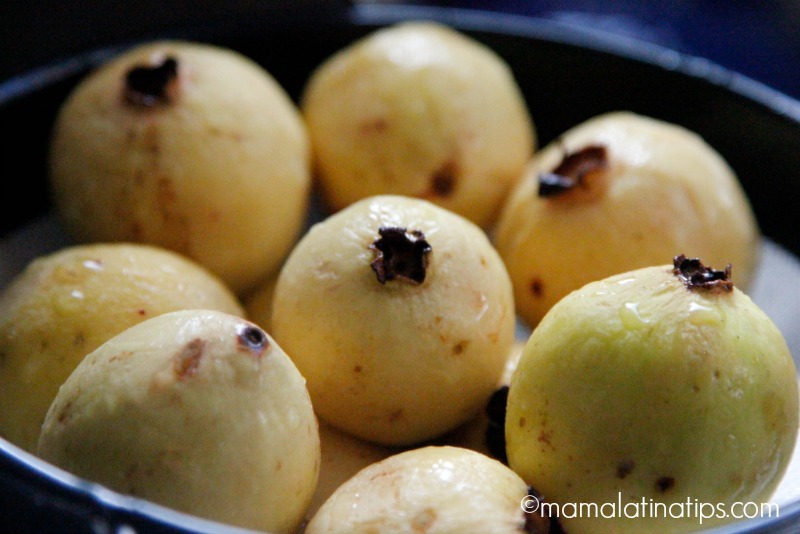
Fresh guavas: the soul of our atole. Look for ripe ones because they’re sweeter. If you can’t find fresh fruit, you can use guavas in syrup, but you’ll need to adjust the sweetness.
Cinnamon stick: Ensure it’s Ceylon cinnamon, which is the type commonly used in Mexico. It’s a stick that breaks easily, has many layers, and a strong cinnamon aroma.
If you don’t have cinnamon sticks, substitute with ground cinnamon, start with half a teaspoon and adjust to taste.
Milk: whole fat for a cremier atole, 2% is ok.
Cornstarch: essential for thickness and body. You can substitute with the same amount of masa harina (the corn flour used to make corn tortillas). The flavor will be slightly different, but it’ll thicken nicely.
Brown sugar: this is my preference, but if you don’t have it, you can use the same amount of white granulated sugar. Another good idea is piloncillo (raw sugar in a cone).
Baking soda: the secret ingredient, please don’t skip it!
Get our Agua Fresca Flavor Chart with 12 combos to create new refreshing flavors.
How to Make Guava Atole (Simplified Step-by-Step)
Find the details, printable recipe with video after my tips:
- First, wash and chop the guavas. Cook them with water, cinnamon, and sugar.
- Then, remove the cinnamon and blend everything to make a purée.
- Strain the purée back into the pot, and add the baking soda to neutralize the acidity.
- Finally, add the milk, stirring constantly. Just before it comes to a boil, add the cornstarch dissolved in cold water. Keep stirring until it thickens, and you’re done!
Silvia’s Tips for Perfect Guava Atole
Keep stirring: especially when adding the milk and cornstarch. Otherwise, it sticks to the bottom and gets a burnt taste.
Adjust sweetness at the end: guavas vary in sweetness (especially if using canned), so taste at the end and adjust to taste.
The perfect consistency: the atole needs to simmer to thicken. On the other hand, it also thickens more as it cools, so turn it off when it’s still slightly liquid.
If it curdles: nothing is perfect in this life. If it still curdles, even after adding the baking soda, don’t worry. Let it cool a few minutes, pour ti in the blender and blend again. You’ll see how it magically fixes itself.
Guava Atole Recipe and Video
Ingredients
- 3/4 lb guavas approx 300g guavas 3-4 large
- 1 small cinnamon stick
- 1.8 oz brown sugar approx, 50g
- ½ teaspoon baking soda
- 3 cups milk
- 1½ cups water divided (1 cup for cooking guavas, ½ cup for dissolving cornstarch)
- 4 tablespoons cornstarch
- Optional: ground cinnamon for garnish

Utensilios
- 1 Cutting board
- 1 Knife
- 1 Large Pot (at least 1.5 liters/6 cups capacity)
- 1 Wooden spoon
- 1 Strainer
- * Blender
- 1 glass
- * Measuring spoons
- Mugs for serving
Instructions
Prepare the guava purée:
- Wash the guavas and cut off the black “crown” from each one. Quarter them.
- In the pot, place the guava quarters, cinnamon, sugar, and one cup of water. Bring to high heat until boiling. Reduce to low heat, cover, and cook for 15 minutes or until the guavas are soft and a syrup has formed.
- Let the mixture rest for 5 minutes to cool slightly. Remove the cinnamon stick (you can leave small pieces if you like a more intense cinnamon flavor). Pour the guavas with their juice into the blender and blend until smooth.
- Pour the blended purée through a strainer placed over the same pot. Press with a spoon to extract as much pulp as possible, leaving the seeds behind.
Neutralize the acidity.
- Add the baking soda to the strained purée, heat on low while stirring constantly until the baking soda dissolves completely. You’ll see foam form—this is normal. This step prevents the milk from curdling.
Make the atole
- With the purée still on medium heat, pour in the 3 cups of cold milk little by little, stirring constantly to integrate well. Watch so the milk doesn’t boil over.
- Dissolve the cornstarch in half a cup of water until there are no lumps. When the milk is about to boil, mix the cornstarch again (as it tends to settle) and pour it into the pot while stirring constantly.
- Continue stirring without stopping until the atole starts to simmer gently. Lower the heat and cook for 2-3 more minutes, stirring constantly until reaching desired consistency. Remember it will thicken more as it cools.
- Adjust sweetness if needed and serve hot in mugs or clay jars, sprinkle with ground cinnamon if desired.
Nutrition
Notes
Did you make this recipe?
Tag @mamalatina on Instagram and hashtag it #mamalatinatips
How to Serve Atole
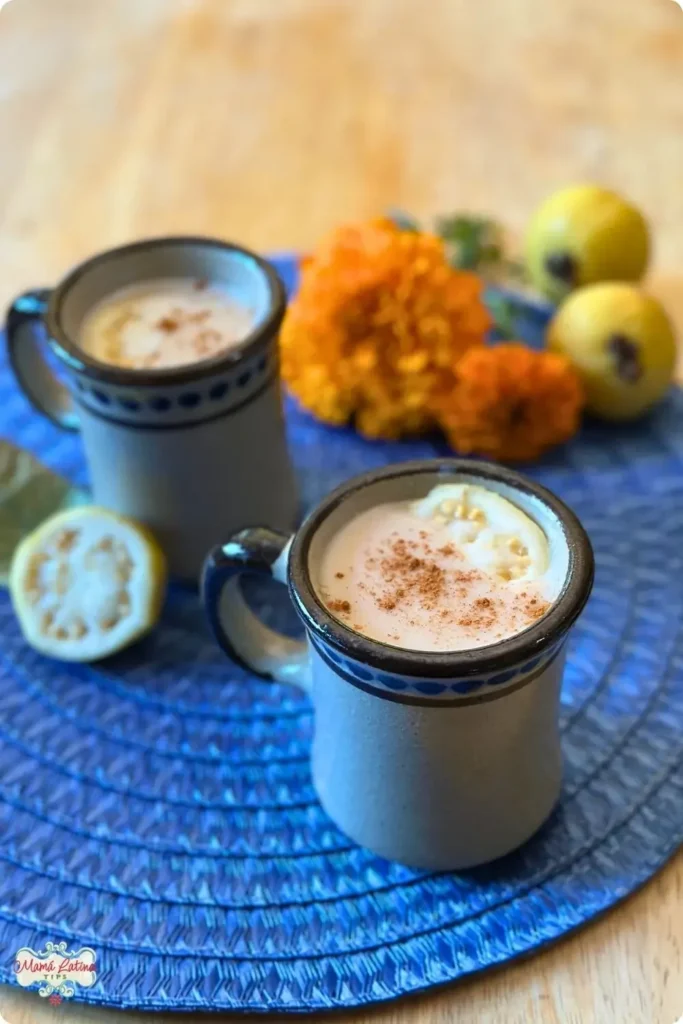
My favorite way to serve it is in a Mexican mug with cinnamon sprinkled on top. It’s divine with:
Tamales: the classic combination, especially if they’re spicy. Try our recipes for Oaxacan-style mole tamales, green tamales with chicken (without lard), chile verde tamales, tamales verdes or apple cinnamon tamales.
Pan dulce: with a concha, cuernito, or your favorite Mexican pan dulce.
Toasted bolillo: plain, or with butter and a little sugar. Can’t find bolillos where you live? Make them at home with my no-knead bolillo recipe, or if you prefer teleras, I have that recipe too.
Storage Tips
If you have leftover atole (thought I doubt it’ll happen), or if you make extra to enjoy for more days, you can store it in the refrigerator in a covered container for up to 3 days.
To reheat: resist the urge to add liquid; you’ll see that when cold, the atole is very, very thick. Once it heats up, it loosens and recovers its creamy texture.
Don’t forget to stir while reheating to prevent sticking. If it’s still too thick for your taste after heating, you can add a splash of milk or water.
Save this Recipe for Later
Did you like this recipe? Don’t forget to save it to one of your Pinterest boards to always have it handy.
Plus, by doing so, you’ll share it with more people and help us teach others about Mexican food. Thank you.
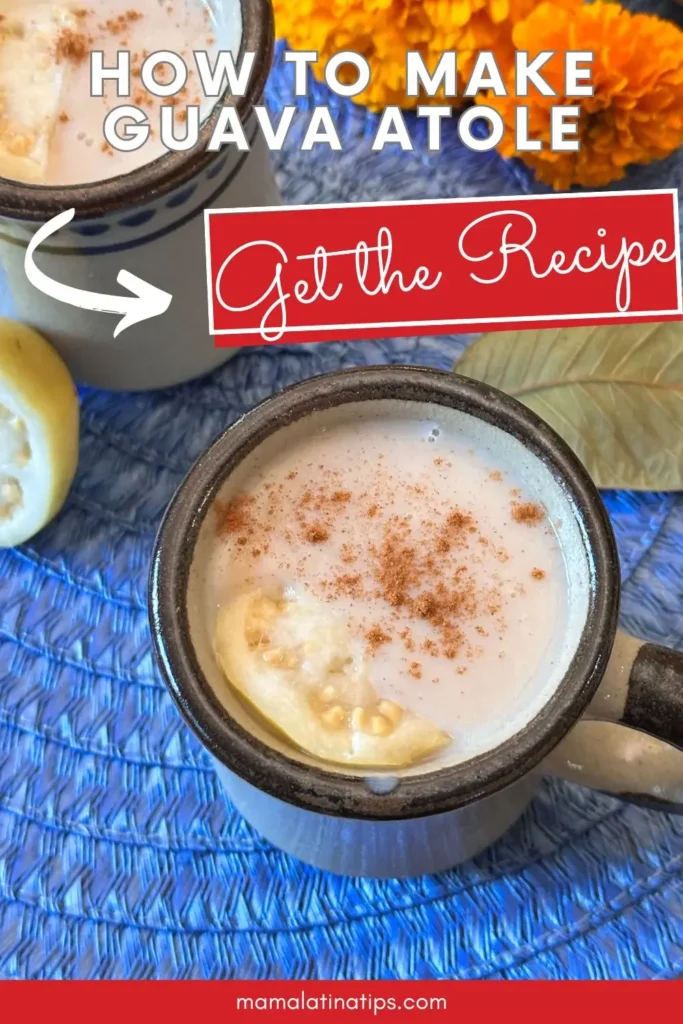
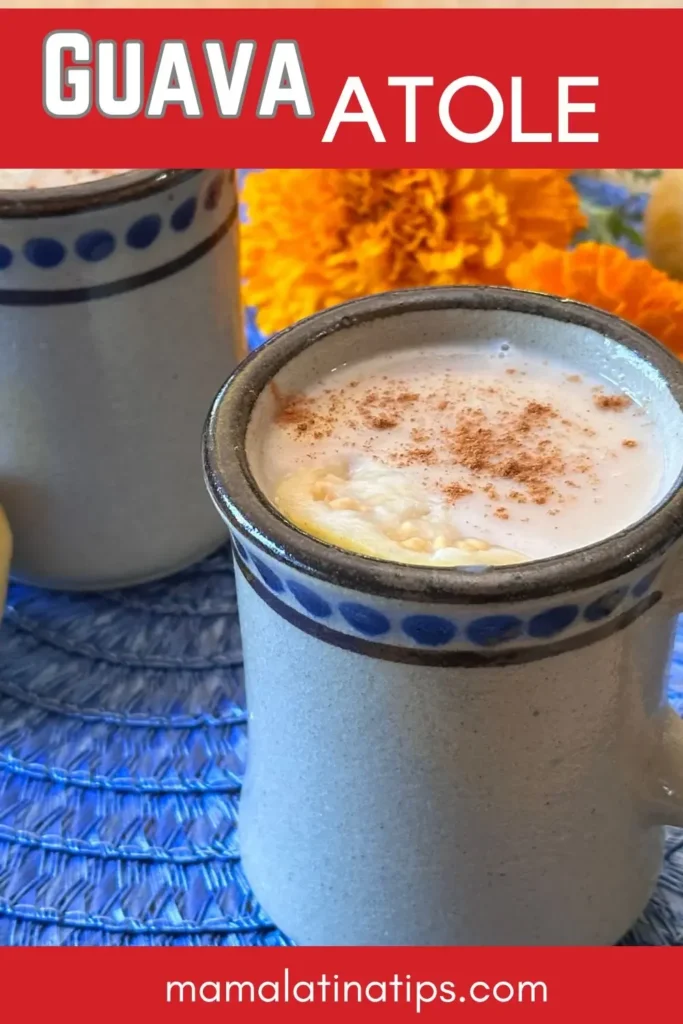
This guava atole is more than just a drink; it’s a tradition. I hope you make it and fill your home with that delicious aroma that only atole de guayaba can create.

- Mexican White Rice (Arroz Blanco) Recipe - March 20, 2026
- Cream of Broccoli Soup - March 13, 2026
- Mexican Fideo Soup - February 27, 2026